What Is Denver Like to Live In? Local Insights for 2026
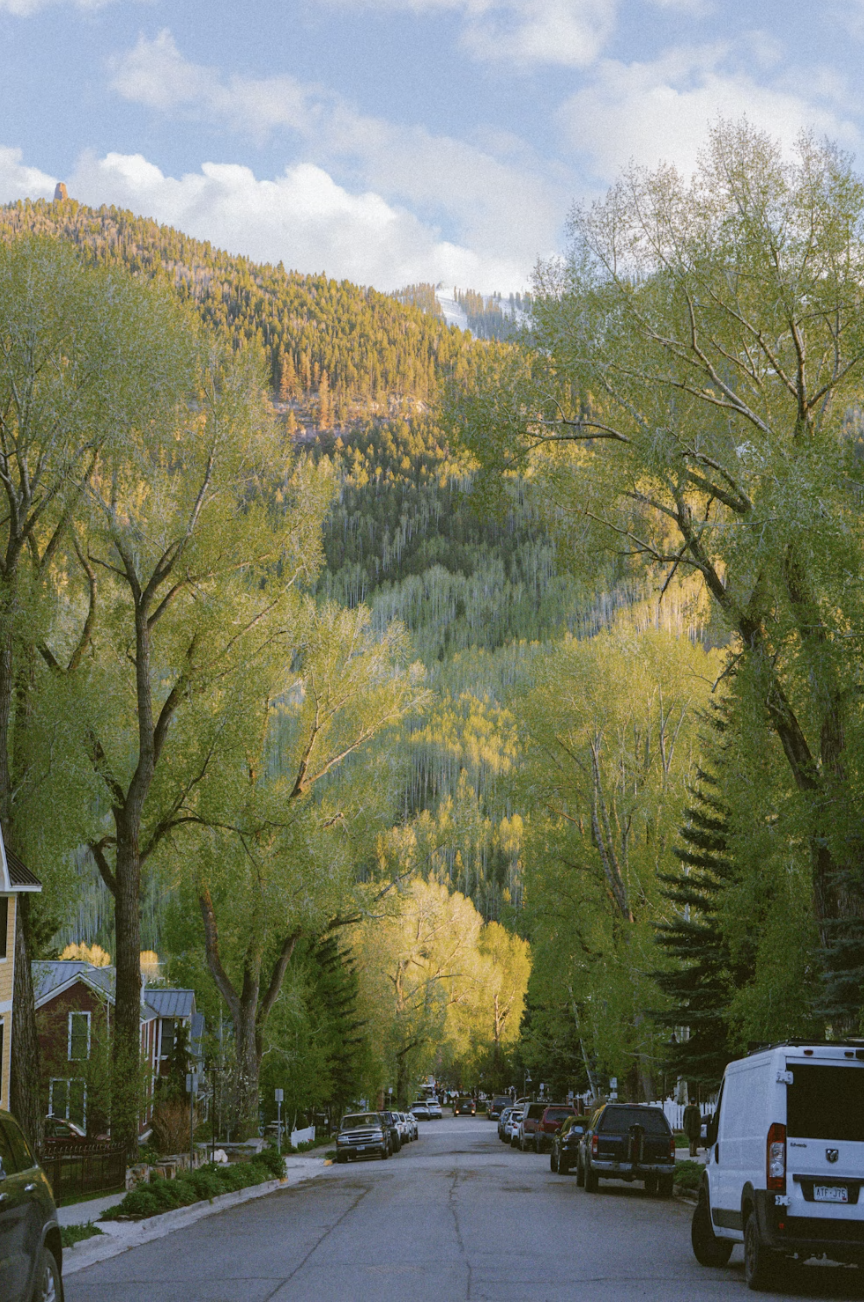
If you've ever scrolled through Instagram and seen a photo of a craft beer set against a snowy mountain backdrop, you must’ve asked yourself: "What is Denver like to live in?"
For years, the Mile High City has been the poster child for the ideal American lifestyle: a perfect blend of urban career opportunities and rugged outdoor adventure. But as we move deeper into 2026, the city is evolving. The frantic growth of the early 2020s has settled into a more mature rhythm. The secret is out, the traffic is real, but the magic of the mountains remains untouched.
At Fixed Rate Real Estate, we help newcomers navigate this reality every day. Whether you are drawn by the booming aerospace sector or the promise of weekend ski trips, understanding the true texture of daily life here beyond the postcards is the first step to making Denver your home.
Key Takeaways
The "300 Days of Sun" is Real: Even in winter, snow often melts by noon, creating a year-round outdoor culture.
Neighborhoods Matter: From the artsy grit of RiNo to the quiet streets of Hilltop, your experience depends entirely on your zip code.
Cost vs. Value: While the cost of living is higher than the national average, salaries in tech and healthcare often compensate.
Traffic is the New Weather: Commutes can be unpredictable, making proximity to work (or light rail) a key decision factor.
Safety Improvements: Contrary to older narratives, Denver saw a massive 48% drop in homicide rates leading into 2026.
Table of Contents
The Vibe: Casual, Active, and Sunny
When people ask, "What is Denver like to live in?" the answer usually starts with the weather.
The Climate Advantage
Denver sits at 5,280 feet, high enough to be technically "semi-arid." This means low humidity and distinct four seasons without the bone-chilling freeze of the Midwest or the suffocating heat of the South.
Winter: It snows, but it rarely sticks around. You can ski in the morning and golf in the afternoon.
Summer: Hot days (low 90s) cool off rapidly at night, thanks to the high altitude.
The Culture
The city operates on "mountain time." Suits and ties are rare; flannel and Patagonia are the uniform.
Beer Capital: With over 150 breweries in the metro area, craft beer isn't just a drink; it’s a community hub.
Arts & Music: Venues like Red Rocks Amphitheatre provide a bucket-list concert experience, while districts like RiNo (River North) offer walkable street art galleries and jazz bars.
The Job Market: Silicon Mountain & Beyond
You don't have to sacrifice your career to be close to the mountains. Denver has cemented itself as a Tier 1 economic hub.
Top Industries in 2026
Aerospace & Aviation: Colorado is second only to California in aerospace employment. Major players like Lockheed Martin and Ball Aerospace anchor the economy.
Tech & Startups: Often called "Silicon Mountain," the corridor between Denver and Boulder is booming with software and biotech firms.
Renewable Energy: With federal investments in green tech, Denver is a headquarters for wind and solar innovation.
According to the Bureau of Labor Statistics (BLS), Denver's unemployment rate continues to trend competitively, with strong growth in the professional and business services sectors.
Cost of Living: The Price of Paradise
Living in a destination city comes with a premium. Housing is the biggest line item. As noted in the Market Trends 2026 guide, the median home price hovers near $625,000.
Rent: Expect to pay $1,600+ for a one-bedroom apartment, with luxury units in downtown pushing $2,500.
Groceries & Utilities: These are generally close to the national average.
Inflation: Recent data from the BLS Consumer Price Index shows that while inflation has cooled, housing and dining out remain higher cost categories for locals.
Getting Around: Traffic & Transit
If there is a universal complaint among locals, it is the traffic. The main artery to the mountains (I-70) can turn into a parking lot on powder days or summer weekends.
Local Tip: Leave before 6:00 AM or after 10:00 AM to avoid the worst of the "ski traffic."
Public Transit (RTD) The Regional Transportation District (RTD) operates buses and light rail.
The Good: The A-Line train from Union Station to Denver International Airport (DIA) is fast, reliable, and affordable.
The Bad: Suburban connectivity can be spotty. Most residents still rely on cars for daily errands.
Recent Updates: RTD has focused on safety and cleanliness improvements, with recent reports showing increased rider satisfaction in 2025-2026.
Safety: The 2026 Reality Check
For a few years, rising crime rates were a major headline. However, the tide has turned significantly.
The Turnaround Entering 2026, Denver has seen a dramatic improvement in public safety.
Homicide Rates: dropped by 48% in 2025, one of the largest decreases of any major U.S. city.
Property Crime: While auto theft remains an issue (lock your car!), violent crime statistics are trending in the right direction, restoring confidence in downtown living.
Conclusion
So, what is Denver like to live in? It is a city that demands you be present. It pushes you to wake up early for a hike, meet friends at a brewery, and engage with a community that values experiences over status. It is expensive, yes. The traffic can be frustrating, sure. But for those who crave a life where the skyline is defined by snow-capped peaks rather than just skyscrapers, it is the only place to be.
Live the Life You Want (For Less). Moving to Denver is a big financial commitment. Don't make it harder by paying outdated real estate fees. At Fixed Rate Real Estate, we help you buy or sell your Denver home with a transparent model that saves you thousands.
Start Your Denver Journey with Fixed Rate Real Estate Local Experts. Flat Fees. Real Results.
Frequently Asked Questions (FAQs)
-
For the first few days, yes. The "thin air" at 5,280 feet can cause shortness of breath and dehydration. Most people acclimate within a week, but you'll always need to drink more water here than at sea level.
-
Not strictly necessary, but highly recommended. The city plows main roads quickly, but side streets can remain icy. If you plan to drive into the mountains for skiing, AWD or 4WD is a must (and legally required during storms).
-
Absolutely. Neighborhoods like LoHi, RiNo, and Capitol Hill are packed with young professionals. The active lifestyle makes it easy to meet people through run clubs, hiking groups, or social sports leagues.
-
Denver averages about 57 inches of snow per season. However, because of the sun, it rarely stays on the ground for long. You won't see the gray, slushy piles common in the Northeast.
-
On stagnant winter days, pollution can get trapped against the mountains, creating a visible haze. Air quality has improved with regulation, but it remains a consideration for those with sensitive respiratory systems.
Ready to Save Thousands on Commission?
Join hundreds of Denver homeowners who sold for top dollar without paying 6% in fees. Fixed Rate Real Estate delivers full-service support, expert pricing, and proven results, without the high costs.

Fixed Rate Real Estate
Fixed Rate Real Estate, founded by Denver broker Daniel Gurzhiev, offers full-service real estate without high commissions, saving clients thousands while delivering top results.