What Is A 15 Year Fixed Rate Mortgage?

A conventional 15-year fixed rate mortgage is similar to a 30-year fixed rate mortgage in many respects. A conforming 15-year fixed rate loan features a limit of $484,350 ($726,525 in high-cost areas) and a consistent rate throughout its lifetime, giving you secure and predictable monthly mortgage payments. So what does this loan offer that a 30-year fixed rate loan doesn’t?

View Today's 15-Year Fixed Mortgage Rates

The main difference is the length. With a 15-year mortgage, you’ll pay off your mortgage in half the time, putting you on the fast track to full amortization. A 15-year fixed rate mortgage also features lower rates than its 30-year counterpart. A shorter loan term plus lower mortgage rates means less interest on your loan and more money in your bank account! Conventional 15-year fixed rate mortgage features include:

  • 3-5% minimum down payment options for qualified homebuyers.

  • Regular, qualified income required.

  • No private mortgage insurance (PMI) with 20% or more down.

  • Seller assistance with up to 3% of closing costs.

  • Loan options up to $5 million for non-conforming mortgages.

  • Home Style renovation loans with options as little as 5% down.

  • 203k renovation loans with a minimum 620 FICO score.

Is a 15-year fixed rate mortgage right for you?

A 15-year fixed rate mortgage is popular with two different demographics. Younger homebuyers with sufficient income often use it to pay off their home before their children start college, while older homebuyers with established careers and higher income use it to pay off their mortgages before retiring. A word to the wise: 15-year fixed rate mortgages feature higher monthly payments than a 30-year loan. You’ll need to factor that into your budget when deciding whether this loan fits your needs.

What Is A 30 Year Fixed Rate Mortgage?

What is a 30-year fixed rate mortgage?

A conventional 30-year fixed rate mortgage features a steady interest rate throughout its lifetime. Spanning three decades, homeowners with this mortgage can look forward to consistent monthly payments for many years to come, which can provide peace of mind and help them budget their finances. A conforming 30-year fixed rate loan offers amounts up to $484,350 in most of the US and a maximum of $726,525 in high-cost areas. To decide if a 30-year fixed mortgage is right for you, ask yourself these four questions:

View Today's 30-Year Fixed Mortgage Rates

  • How long are you planning to stay in your home? If you are considering a 30-year fixed rate mortgage, you should be planning to stay put for the long haul. We recommend a minimum of 5-10 years in your new home.

  • Would you prefer consistent monthly mortgage payments? Like the sun rising in the east, the terms of a 30-year fixed rate mortgage never change. A consistent interest rate throughout the lifespan of your loan keeps your monthly mortgage payments the same for 360 months. Kiss those fluctuating mortgage payments goodbye!

  • Would you prefer a low mortgage payment? Due to the long-term nature of this loan, a 30-year fixed rate mortgage makes your monthly mortgage payments more affordable than a fixed rate mortgage with a shorter time frame. You end up paying more interest over three decades, but the principal repayment is spread over that same period of time. Lower monthly mortgage bills mean you can afford more house!

  • Are you purchasing or refinancing? Looking to buy a new home? This mortgage option is tailor-made for you. Looking to refinance your home at a lower rate? A 30-year loan may be too long. Consider a shorter term fixed mortgage or an adjustable rate mortgage based on your budget and refinancing goals.

Conventional 30-year fixed rate mortgage features include:

  • 3-5% minimum down payment options for qualified homebuyers.

  • Regular, qualified income required.

  • No private mortgage insurance (PMI) with 20% or more down.

  • Home Style renovation loans with options as little as 5% down .

  • Seller assistance with up to 3% of closing costs.

  • Loan options up to $5 million for non-conforming mortgages.

  • 203k renovation loans with a minimum 620 FICO score.

30-Year Fixed Mortgage Payments

As with most amortized loans, the initial payments of your 30-year fixed rate mortgage are primarily devoted to paying off interest. As the years roll by, this will gradually shift and you’ll reach a point where your monthly payments cover more principal than interest.

What does this mean? As you embark on your 30-year fixed rate mortgage, your first couple years of mortgage payments won’t make much of a dent in your loan’s principal balance. Once you pay off most of the interest, the latter years of your mortgage will be devoted to your principal and you’ll see your mortgage balance decrease dramatically.

Types Of Home Loans

Which Mortgage is right for you?

There are a number of different types of home loans available to you, and it can pay to familiarize yourself with them. It only takes a few minutes to review your home loan options and get an idea of what might provide the best value for your needs

Home loan options include:

30-Year Fixed Rate Mortgage

Settle down for the long haul with a 30-year fixed rate mortgage. Because of the steady interest rate inherent to a conventional 30-year fixed rate mortgage, you can look forward to consistent monthly payments for many years to come, providing you with peace of mind and a consistent budget. We recommend this type of home loan if you're planning to stay in your home for a minimum of 5-10 years.

15-Year Fixed Rate Mortgage

Pay off your home twice as fast with a 15-year fixed rate mortgage. Your rate stays the same throughout the life of the loan, giving you secure and predictable monthly mortgage payments and less interest on your loan. Get on the fast track to amortization with this home loan option.

Adjustable Rate Mortgage

Keep your options open with an Adjustable Rate Mortgage (ARM). This type of home loan features an interest rate that changes after a fixed amount of time. ARMs are a great home-buying option and typically offer lower interest rates than fixed mortgages and extra protection with rate caps.

Jumbo Loan

Move into your forever home with a jumbo loan. Need a loan that exceeds the current conforming limit? A fixed or adjustable jumbo mortgage can help you make your move. This type of home loan will allow you to buy a lot of real estate but can also require more stringent credit guidelines and a larger down payment.

FHA Loan

Make your home ownership dreams come true with an FHA loan. Featuring flexible credit restrictions and down payment options as low as 3.5%, an FHA loan is a popular type of loan for first-time home buyers.

VA home loan

Enjoy exclusive military benefits with a VA loan. If you are a veteran or an active-duty service member, a VA loan offers less restrictive credit guidelines and low down payment options for you and your family.

Interest Only Mortgage

Free up your cash flow with an interest only mortgage. Take advantage of the low monthly payments right off the bat to afford a more expensive home and invest your income elsewhere.

Important Reminders When Buying A Home

1.Buyers should avoid changing jobs, becoming self-employed, or quitting their job on or before closing day.

2. Avoid making any big purchases such as buying a new vehicle, appliances, boats, etc.

3.Buying furniture and new items for your home is exciting, but remember not to use credit cards or let any accounts fall behind.

4.Avoid switching banks and do not make large deposits in your bank accounts without first checking with your mortgage lender / loan officer.

5.Do not cosign on a loan or credit card for anyone before closing

The Benefits of Buying A Home

Tax Savings

The government rewards homeowners by providing excellent tax benefits. The interest paid on your mortgage and other home related expenses can generally be deducted from your income.

Appreciation

Home values have well documented history of going up over time. This increase becomes equity you can benefit from when you refinance or sell your home.

Equity

Renting has often been compared to paying 100% interest, but when you own a home and a mortgage is in place, a portion of your payment goes toward the principal balance on your loan. This builds your equity and acts as a savings account.

Roots

People who own rather than rent stay in their homes four times longer. This provides an opportunity to get to know your neighbors and connect with your local community.

Happiness

The feeling of owing your home is unmatched. You can fix it up, make it your own, get a dog or plant a tree if you want. Doesn’t that sound exciting?!

Education

Research shows children of homeowners earn higher test scores and graduate at a higher percentage than renters.

What is Title Insurance?

When you purchase a home, you want to have assurance that there are no problems with the home’s title. Anything attached to the property and/or defects on the title can limit your use and enjoyment of the property, as well as bring financial loss. Title Insurance is purchased in order to protect you or inform you of these things.

A title search is done to help identify ownership of the property, what other rights might affect a property and what rights need to be extinguished in order to insure a new party.

How is a title search prepared and what research is done?

After a sales contract has been accepted, a title professional will search the public records to look for any problems with the home’s title and to identify all the items that affect its use and the sale. The search typically involves a review of land records going back many years. They also search bankruptcy, OFAC, county assessor, GIS mapping and other databases in order to get as much information as possible.

More than 1/3 of all title searches reveal a title problem that title professionals fix before you go to closing. Examples of title issues:
1. Liens from debt incurred by owners that are not released properly.
2. Previous owner may have had minor construction done on the property, but never fully paid the contractor.
3. Errors and/or omissions in recorded documents affecting the property conveyed.

Title professionals seek to resolve problems like these before you go to closing and an insurance policy issued to protect against them.

Who Gets Title Insurance?

The Owner’s Policy
Sometimes title problems occur that could not be found in the public records or are inadvertently missed in the title search process. To help protect owners, they can obtain an Owner’s Policy of Title Insurance to insure against these. Owner’s Title Insurance, called an Owner’s Policy, is usually issued in the amount of the real estate purchase. It is purchased for a one-time fee at closing and lasts for as long as you or your heirs have an interest in the property. The cost of fees to insure is based on rates filed by the insurer with the state relating to the amount of coverage.

An Owner’s Policy provides assurance that your title company will stand behind you, monetarily and with legal defense if needed, if a covered title problem arises after you buy your home. The bottom line is that your title company will be there to help pay valid claims and possibly cover the costs of defending an attack on your title.

The Lender’s Title Policy

Most lenders usually require a Loan Policy when they issue a loan. The Loan Policy is usually based on the dollar amount of your loan. It protects the lender’s interests in the property should they need to foreclose, providing assurance against the inability to foreclose and their lien position. Traditionally, this policy is a cost to the buyers.

Tips For Staging Your Home

Declutter & Organize
Time to purge all of those old clothes! Donate or trash any old items you don’t use anymore.
Clear off surfaces such as kitchen countertops, nightstands, coffee tables, dressers, etc.
Align items in your bathroom and kitchen cabinets.
Organize your closet! A good rule of thumb - you should be able to fit two fingers in between each hanger.

Unpersonalize

It may be hard to do, but removing pictures and other items specific to your family will give your home a clean slate.
Remove or replace built-in items that you plan to take with you.

Clean Inside & Spruce Outside

Deep clean your home. Vacuum, wax wood floors and steam your carpets.
Dust those hard to reach areas, as well as furniture and any light fixtures.
Consider re-sealing around the tub and sink and polish the metals.
Clean your windows and pressure wash the exterior.

Repair

Have any lime green walls? It’s time to paint those loud colored rooms a neutral color.
Address any creaking doors, drawers that jam and fix any leaky faucets.

How To Match Your Garage Door To Your Home's Style

Representing up to 40% of your home’s facade, a garage door has huge style potential. “It can instantly add character, depth and visual warmth to your home,” architectural designer Elyse McCurdy says. Looking to take your door to the next level? Match it to your home’s architecture. “It’s such a big part of your house, so you want it to look authentic,” custom builder Marnie Oursler says. Read on to see which kinds of garage doors pair well with six popular home styles, and get inspired to work some curb appeal magic of your own.

Classic CraftsmanDoes your home feature tapered columns and a low-pitched roof, along with natural, neutral colors and mixed materials such as brick or stone? If so, try a garage door with clean vertical lines rectangular windows and handcrafted-loo…

Classic Craftsman

Does your home feature tapered columns and a low-pitched roof, along with natural, neutral colors and mixed materials such as brick or stone? If so, try a garage door with clean vertical lines rectangular windows and handcrafted-look details, as seen here. Mimic your home’s window grilles for an authentic touch.

Tip: Consider budget, upkeep and your region’s climate when choosing a garage door. Insulated composite and steel can withstand extreme temperature changes, with moisture- and UV-resistant composite performing better than steel in coastal locales.

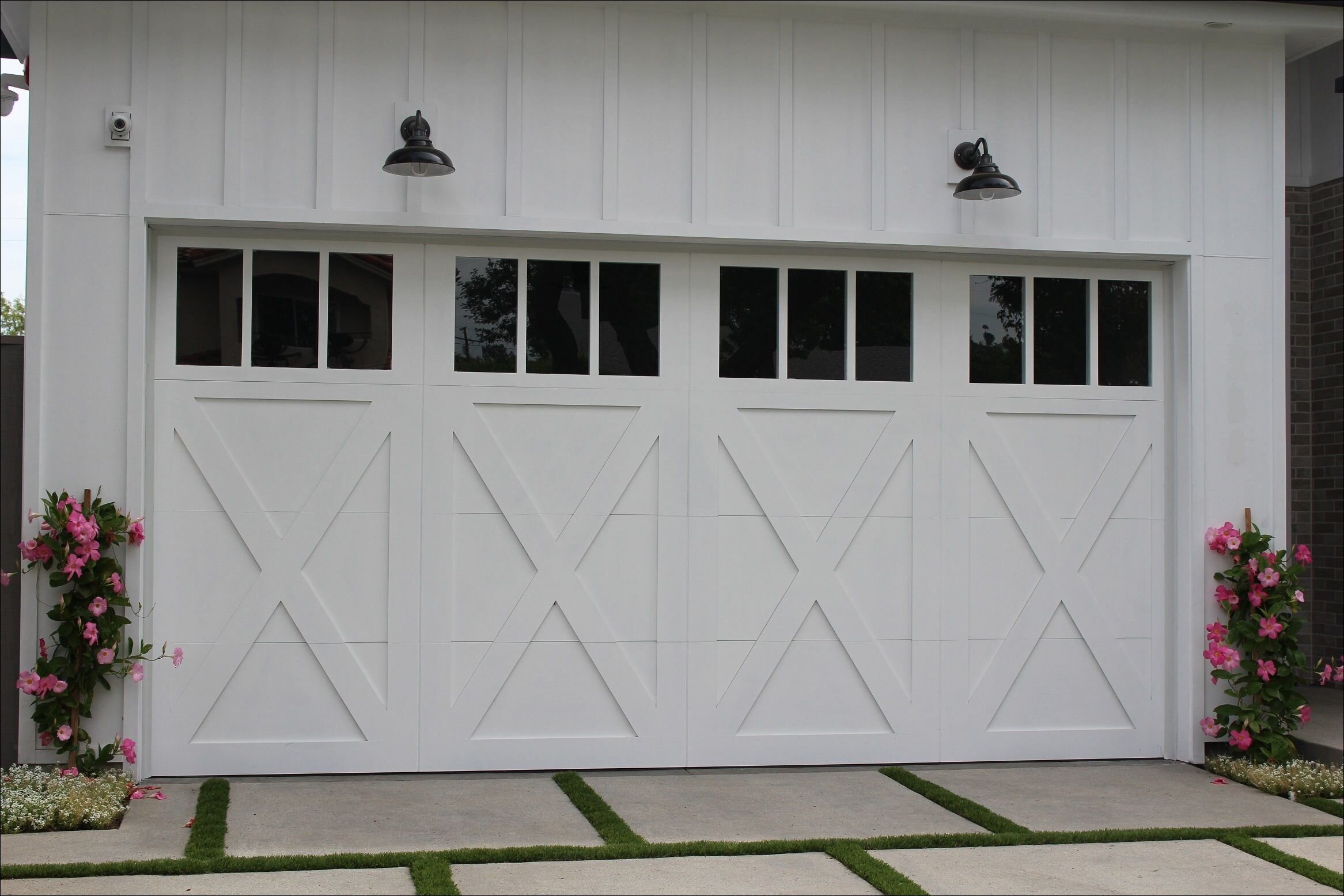
Farmhouse Fresh  This look centers around an abundance of natural light, vintage charm and a crisp white palette accented with black details. Complement a farmhouse-style home with a garage door in a wood tone or painted gray, white or black. Get cr…

Farmhouse Fresh

This look centers around an abundance of natural light, vintage charm and a crisp white palette accented with black details. Complement a farmhouse-style home with a garage door in a wood tone or painted gray, white or black. Get crossbuck panels reminiscent of a barn door if you want something more rustic.

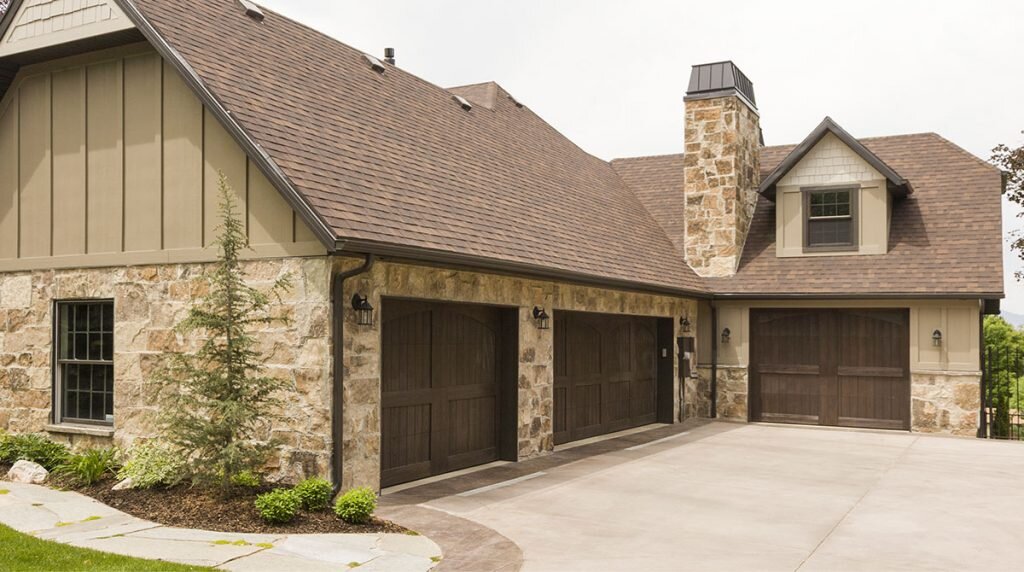
Refined RusticNatural materials such as hand-hewn stone and wood merge with earthy hues in this aesthetic. A carriage house style in a rich wood tone such as redwood, cedar or hemlock works well. And for rustic, you may want to try a solid door vers…

Refined Rustic

Natural materials such as hand-hewn stone and wood merge with earthy hues in this aesthetic. A carriage house style in a rich wood tone such as redwood, cedar or hemlock works well. And for rustic, you may want to try a solid door versus one with windows in it.


The home seen here sports custom handcrafted wood doors with crossbucks for a frontier feel. To achieve the look of real wood without the upkeep, select high-quality wood-effect composite. This durable material resists moisture and won’t rot, warp or crack.

Tip: In its 2020 Cost vs. Value Report, which you can download free, the website Remodeling reports that a garage door upgrade brings a 95% return on investment, on average. Clopay, a garage door manufacturer, reports that it can also increase a home’s list price by up to 4%.

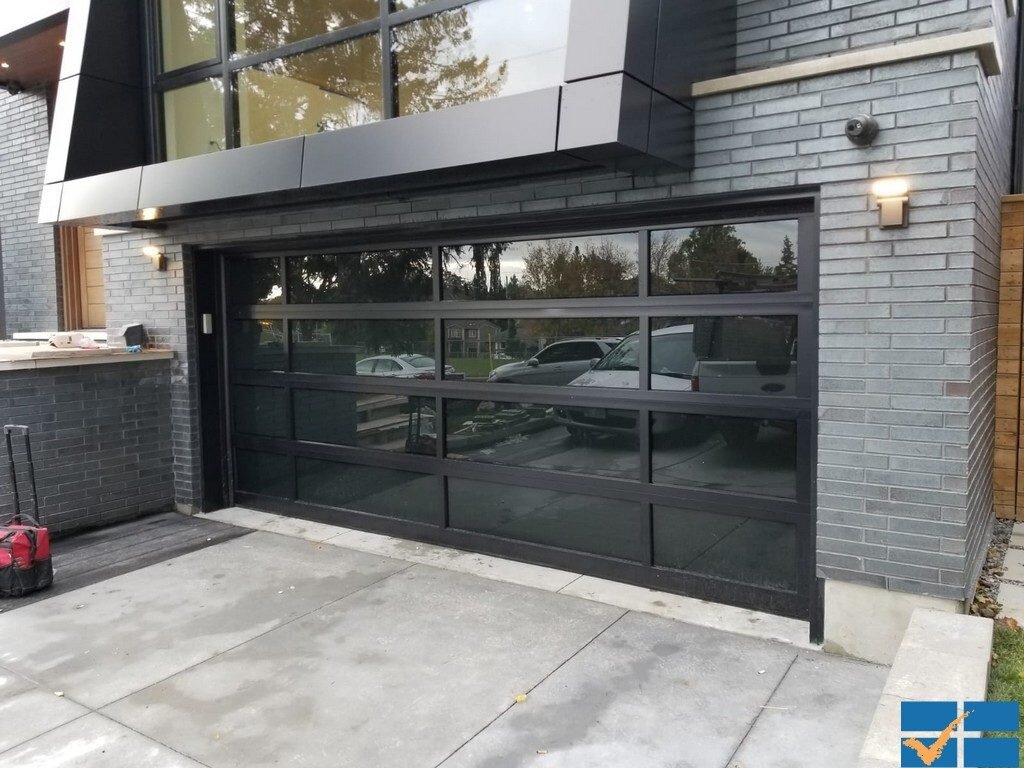
Modern MinimalistModern architecture is all about clean lines, horizontal plank designs and smooth materials such as wood, aluminum and steel. Glass-paneled doors are in keeping with the emphasis on indoor-outdoor connections.Tip: Choose an ins…

Modern Minimalist

Modern architecture is all about clean lines, horizontal plank designs and smooth materials such as wood, aluminum and steel. Glass-paneled doors are in keeping with the emphasis on indoor-outdoor connections.

Tip: Choose an insulated garage door to keep your garage 10 to 20 degrees warmer in the winter and cooler in the summer, helping you save energy. Insulated doors also are quieter, more secure and more durable.

Staged Interiors - Innovative Real Estate Staging

Staged Interiors specializes in staging vacant homes in the Denver metro area. With their beautiful furnishings and accessories and dramatic designs, they create looks that connect with buyers and help sellers sell their homes fast. Their staged properties show at their highest potential and photograph beautifully to help attract today’s internet savvy buyers. They create looks that are tailored to your property’s finishes, layout and buyer profile.

Staged interiors owns all of its furnishings and accessories and you rent directly from them with no minimum number of months or days required. It’s simple, they charge a fee for labor that includes delivery, installation and removal of the staging and a monthly rental fee for each month you wish to continue staging - partial months are prorated for the days you actually use the staging. Rental is based on the quantity of furnishings and accessories needed. Their goal is to provide great staging at a low cost to you as possible. Notify them when you are ready to remove the staging and the rental ends. Simple and easy.


Staged Interiors has been staging homes in the Denver metro area for over six years with excellent success.
Call: 303-324-6951
http://innovativedecorators.com/index.html

Need to buy or sell a home? Call Fixed Rate Real Estate 303-910-2552

5 Easy-to-Overlook Things That Can Increase the Value of Your Home

This article has been taken from Apartment Therapy and written by Megan Johnson, our reliable source on all things Home, Style, and Design. If you’d like more information on Increasing the Value of Your Home, then please visit the linked website.

If you were to put your home on the market tomorrow, how much would it be worth? While you hear that real estate is all about “location, location, location,” supply and demand also plays a crucial factor. The more appealing a home is on the market to the majority of buyers, the higher price it may fetch (though there’s a limit). And of course, this is all relative to the neighborhood in which a home’s located, but, in general, prepping your home to make a positive first impression is a good thing to keep in mind if you don’t want to leave anything on the closing table. That’s why it’s so important to do the obvious things, like cut excessive clutter inside the home and clean up your yard before you list to present a clean and organized home.

“It’s these small things that show pride of ownership,” says Dana Bull, a real estate agent with Sagan Harborside Sotheby’s International Realty in Marblehead, Massachusetts. “Buyers feel more confident in a transaction and can be more likely to pay a premium if they believe the home has been properly managed and maintained by the seller.” 

Interested in which other less-expected attributes of your house could increase its worth? Here, five things Bull and other real estate experts recommend investing a bit of TLC in:

Super-clean crevices

“Buyers notice everything. I’ve had clients ‘ooh’ and ‘ahh’ over a basement floor so clean you could eat off it,” says Bull. “Even little details matter, like clean grout, tidy closets, and a swept basement floor. Yes, I’ve had buyers get hung up over shoddy tile work and I definitely can’t blame them!”

According to Sarah Maguire, a real estate agent with Compass in Boston, potential buyers love snooping around the bathroom to see how ancient the grout and tiling is. 

“There’s no need for a full bathroom renovation,” says Maguire, who suggests cleaning or replacing grout and caulking in the bathroom.

Updated lighting

It’s also what prospective buyers see when they look up that affects value. Maguire suggests replacing old ceiling fans or ceiling light fixtures. 

“If you want to do a little more work, recessed lighting gives any space a bright, modern touch,” says Maguire.

A parking space

Jay Rooney, also a real estate agent with Compass, says one of the things that drives up your home’s value isn’t even inside the property. 

“If you do not have one already, rent or invest in a parking space near your home,” says Rooney. ”It may sound silly, but nowadays homes without designated parking spots can make or break it for buyers.”

The smell

Other agents I asked said it’s your home’s influence on potential buyers’ noses that could have an unexpected influence.

“The smell! Make sure your home has a pleasant smell, but don’t keep candles or air fresheners in sight,” says the Donahue Maley Burns Team. “You don’t want potential home buyers to think you’re covering something up.”

Professional listing photos

Bull also says how your home is presented online and in promotional materials can make a real difference, which is why having the space professionally photographed instantly ups its value.

“When it comes to listing your home, the way it is presented online makes a huge difference,” says Bull. “You can’t skimp on high quality photography which captures a home with the proper lighting and angles.”

If you’d like more information on the Denver Real Estate Market, then please contact your nearest Denver Realtor.

https://www.soldfor1995.com